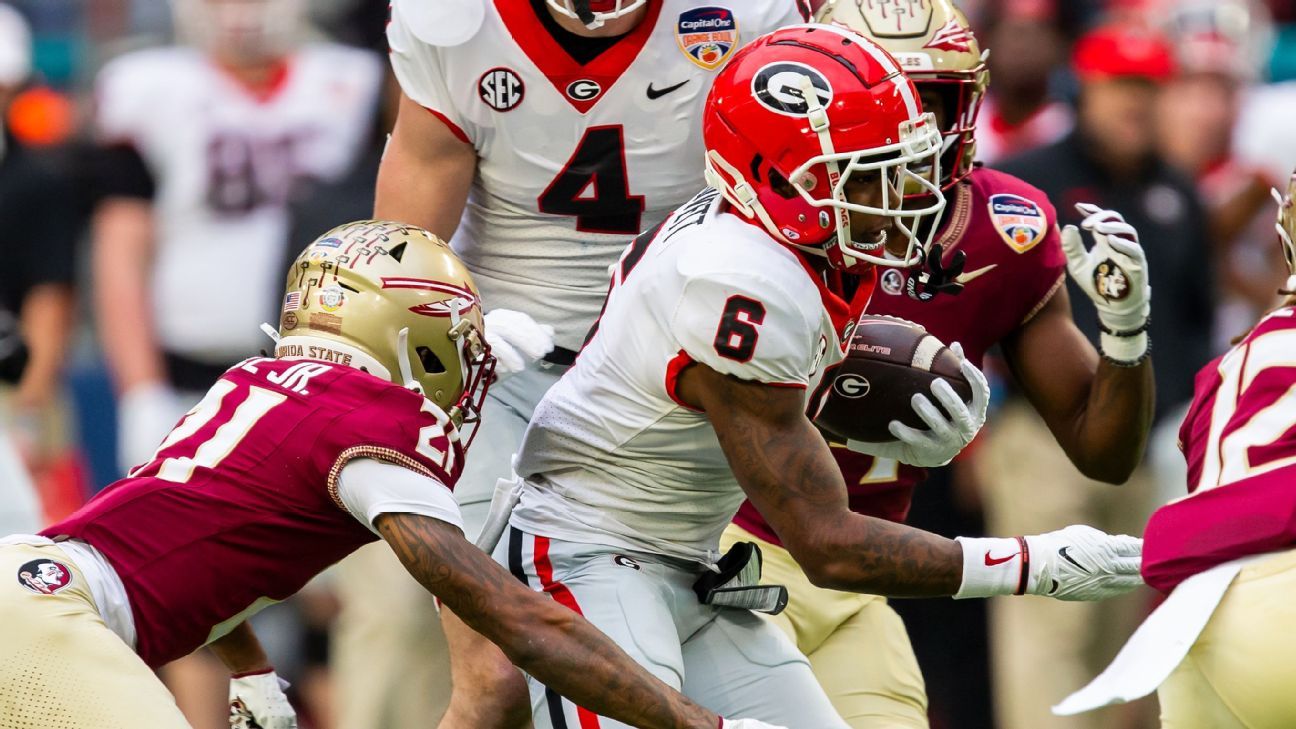
Florida State and Georgia have officially decided to cancel their scheduled home-and-home football series for the 2027 and 2028 seasons. The decision was made collaboratively, primarily due to the implementation of a 9-game league schedule by their respective conferences, which limits flexibility in non-conference matchups.
The two programs expressed mutual understanding and are actively working on arranging a neutral-site game to replace the canceled series. This move reflects the broader changes in college football scheduling, where conference commitments and league schedules increasingly influence non-conference games.
Historically, matchups like Florida State versus Georgia have been highly anticipated, drawing significant attention from fans and media alike. The cancellation marks a shift in scheduling priorities, emphasizing conference play and league integrity over traditional rivalries.
Officials from both schools emphasized their commitment to maintaining competitive and exciting schedules for their teams and fans. They are currently in discussions to identify a suitable neutral site that could host the game, aiming to preserve the competitive spirit and regional interest.
College football scheduling has become more complex with the recent adoption of 9-game league schedules, which reduce the number of non-conference games. This change aims to enhance the competitiveness of league play but has also led to the cancellation or rescheduling of some traditional non-conference matchups.
Fans and analysts will be watching closely to see how these scheduling adjustments impact the landscape of college football, especially in terms of rivalries, postseason implications, and overall fan engagement. The move by Florida State and Georgia underscores the evolving nature of the sport and the balancing act between tradition and league priorities.
As the schools work on finalizing the details of the neutral-site game, both programs reaffirm their commitment to providing exciting football for their supporters while adapting to the new scheduling realities of college athletics.